National Heritage of Nepal.
The Wildlife Conservation Act of 2029 BS (Nepal) reports 208 mammal species, including 28 species found outside the boundaries of protected areas. Notable among these are the One-Horned Rhino, Bengal Tiger, Asian Elephant, Snow Leopard, Red Panda, Brown Bear, Himalayan Musk Deer, Swamp Deer, and Four-Horned Antelope. Some of these species are internationally recognized as endangered and are at risk of extinction.
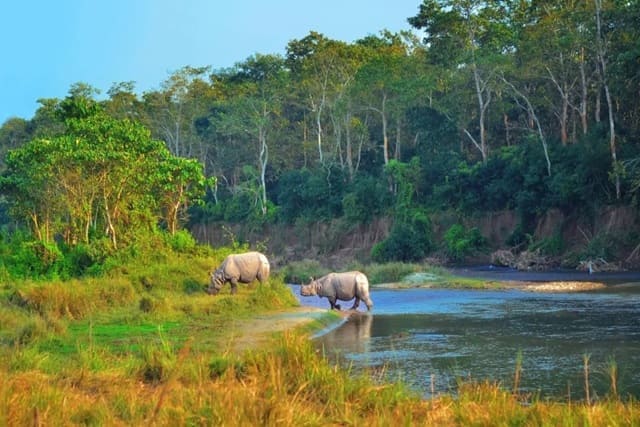
The One-Horned Rhinoceros in Nepal is a symbol of both the country’s rich natural heritage and the ongoing struggle for wildlife conservation. While significant progress has been made, continued efforts are essential to ensure that these majestic animals do not disappear from Nepal’s forests and grasslands.
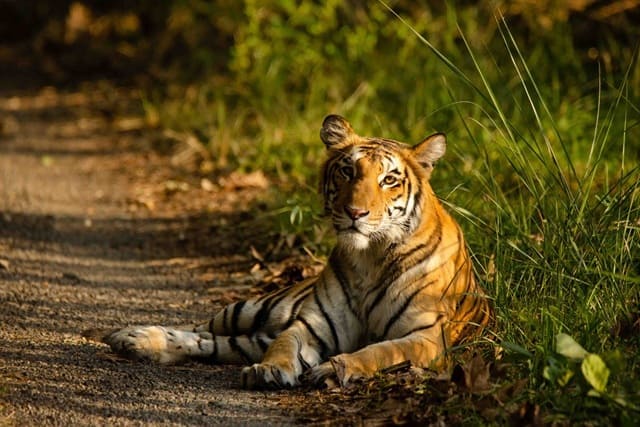
The Royal Bengal Tiger is one of Nepal's most iconic and endangered species, requiring ongoing conservation efforts to ensure its survival. While significant strides have been made in protecting this majestic animal, challenges such as poaching, habitat destruction, and human-wildlife conflict remain. Continued collaboration between the government, NGOs, local communities, and neighboring countries is essential for securing a future for the Royal Bengal Tiger in Nepal.
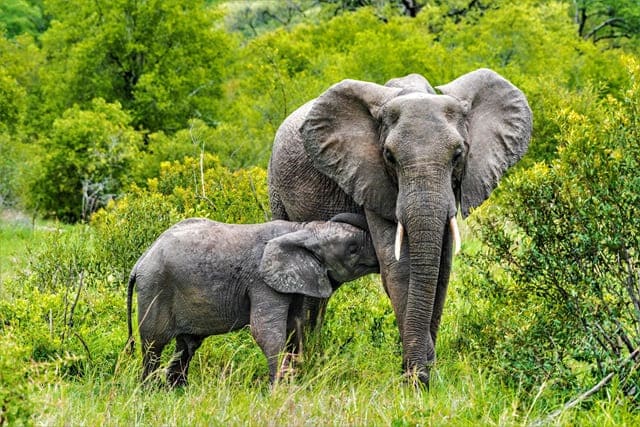
Asiatic Elephantt in Nepal is a critically important species both ecologically and culturally. With its declining population and the growing challenges of human-elephant conflict, conservation efforts remain a top priority. Nepal’s ongoing initiatives to protect elephant habitats, reduce poaching, and engage local communities in conservation will be essential to the survival of this magnificent species.
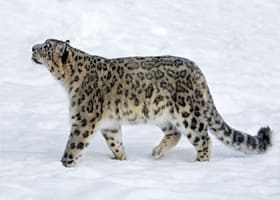
The snow leopards are distributed mostly in the mountainous regions of Mustang, Mugu, Dolpo, and Humla. Characterized by its smoky grey fur coat covered by dark grey spots, the snow leopard weighs about 35-55 kg and grows up to 1.8-2.3m.

Red pandas are found in the western forests of Nepal and the southwestern mountain slopes of China. Weighing up to 6 kg, they can grow to about 50 – 63 cm in length. They have a signature reddish-brown, thick fur, and have a raccoon-like appearance.
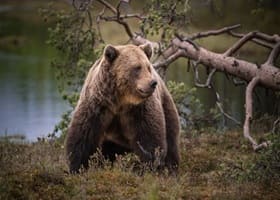
They are also commonly called grizzly bears, but in Nepal, it is called "rato valu." They are the largest species of bear found in the country. They grow up to a height of 1.4 to 2.8 m and weigh around 180kg.
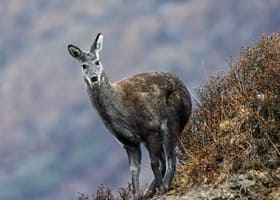
The Himalayan Musk deer measures up to 1 m and weighs about 11-18 kg. They are found in the Himalayan regions of Nepal, India, Pakistan, and China. Both male and female musk deer have well-developed upper canine teeth which grow out in a fang-like manner.
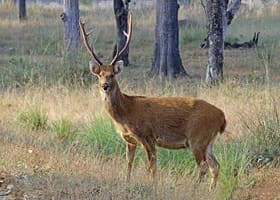
The swamp deer is also known as "Barasingha". They move in massive herds and sometimes even combine herds to make a single herd of about 1000 deer. The male stag weighs about 170-280 kg while the females weigh about 140 kg.
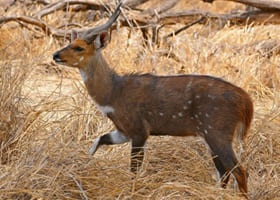
The four-horned antelope are found in Nepal and India. They grow to a length of 1.1m and weigh around 22 kg. They have yellowish-brown or reddish fur coats, and only males have horns.