Nature & Flower
Flowers, also known as blooms and blossoms, are the reproductive structures of flowering plants (angiosperms). Typically, they are structured in four circular levels, called whorls, around the end of a stalk. These whorls include: calyx, modified leaves; corolla, the petals; androecium, the male reproductive unit consisting of stamens and pollen; and gynoecium, the female part, containing style and stigma, which receives the pollen, and ovary, which contains the ovules. When flowers are arranged in groups, they are known collectively as inflorescences. Flowers evolved between 150 and 190 million years ago, during the later part of the Jurassic era and early Cretaceous. As a subgroup of seed plants, angiosperms used the flower to outcompete other members, as a result of greater efficiency. The colour of flowers assists in pollination. In plant taxonomy, which is the study of plant classification, flowers are a key tool used to differentiate plants. For thousands of years humans have used flowers for a variety of purposes including: decoration, medicine, food, and perfumes. In human cultures, flowers are used symbolically and feature in art, literature, religious practices, ritual, and festivals.
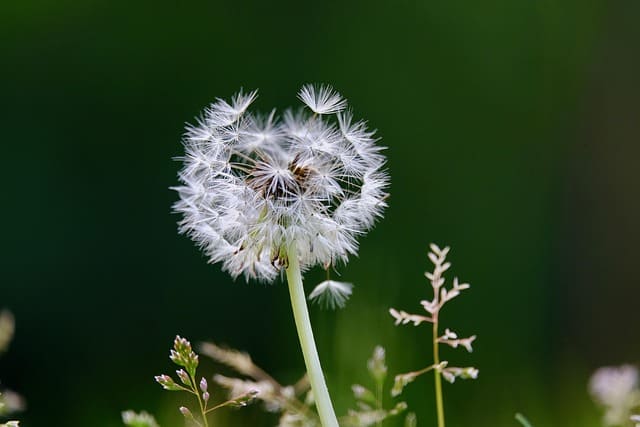
Dandelion, weedy perennial herb of the genus Taraxacum of the family Asteraceae, native to Eurasia but widespread throughout much of temperate North America. The most familiar species is T. officinale. It has a rosette of leaves at the base of the plant; a deep taproot; a smooth, hollow stem; leaves that may be nearly smooth-margined, toothed, or deeply cut; and a solitary yellow flower head composed only of ray flowers (no disk flowers). The fruit is a ball-shaped cluster of many small, tufted, one-seeded fruits. The bitter young leaves are used in salads, and the roots can be used to make a coffee-like beverage.
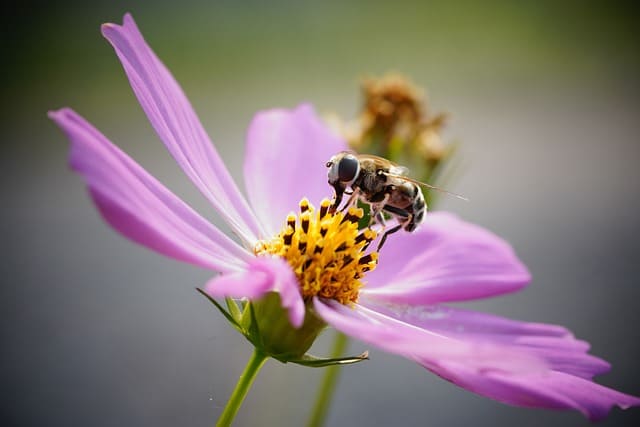
The relationship between bees and flowers exemplifies a crucial ecological partnership known as mutualism, where both parties benefit significantly. This interaction plays an essential role in the survival of numerous plant species and the sustenance of bee populations. As pollinators, bees facilitate the reproduction of flowering plants, while these plants provide nectar and pollen that are vital food sources for bees.
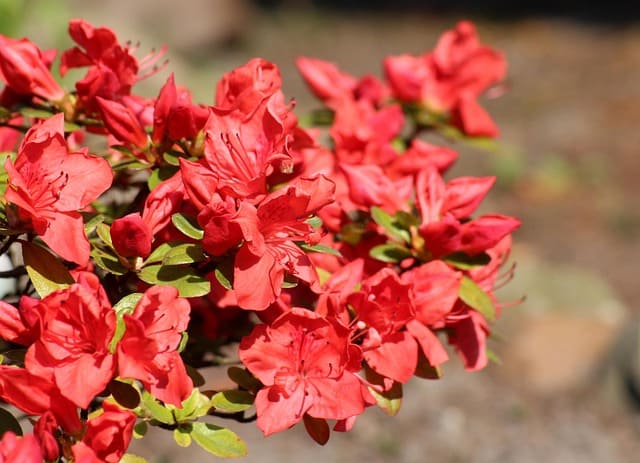
Rhododendron, meaning “red (or rose) tree,” refers to the red or rose-colored flowers and woody growth of some species, but rhododendrons range in habit from evergreen to deciduous and from low-growing ground covers to tall trees. Some are matlike dwarf species only 10 cm (4 inches) high, such as prostrate rhododendron (R. prostratum) from Yunnan, China, while others are trees, such as tree rhododendron (R. arboreum), bearded rhododendron (R. barbatum), and the critically endangered big tree rhododendron (R. protistum variety giganteum) from Asia, some in excess of 12 meters (40 feet) high. Leaves are thick and leathery and are evergreen in all but the azalea species, some of which are deciduous. Flowers may be scented or not and are usually tubular to funnel-shaped and occur in a wide range of colors—white, yellow, pink, scarlet, purple, and blue.